Ndiaye, Noémie. "Race and early modern performance culture." Throughlines. www.throughlines.org/suite-content/race-and-early-modern-performance-culture. [Date accessed].

Race and early modern performance culture

Early modern theater shaped and was shaped by racial narratives
Download the transcript
Noémie Ndiaye
The University of Chicago
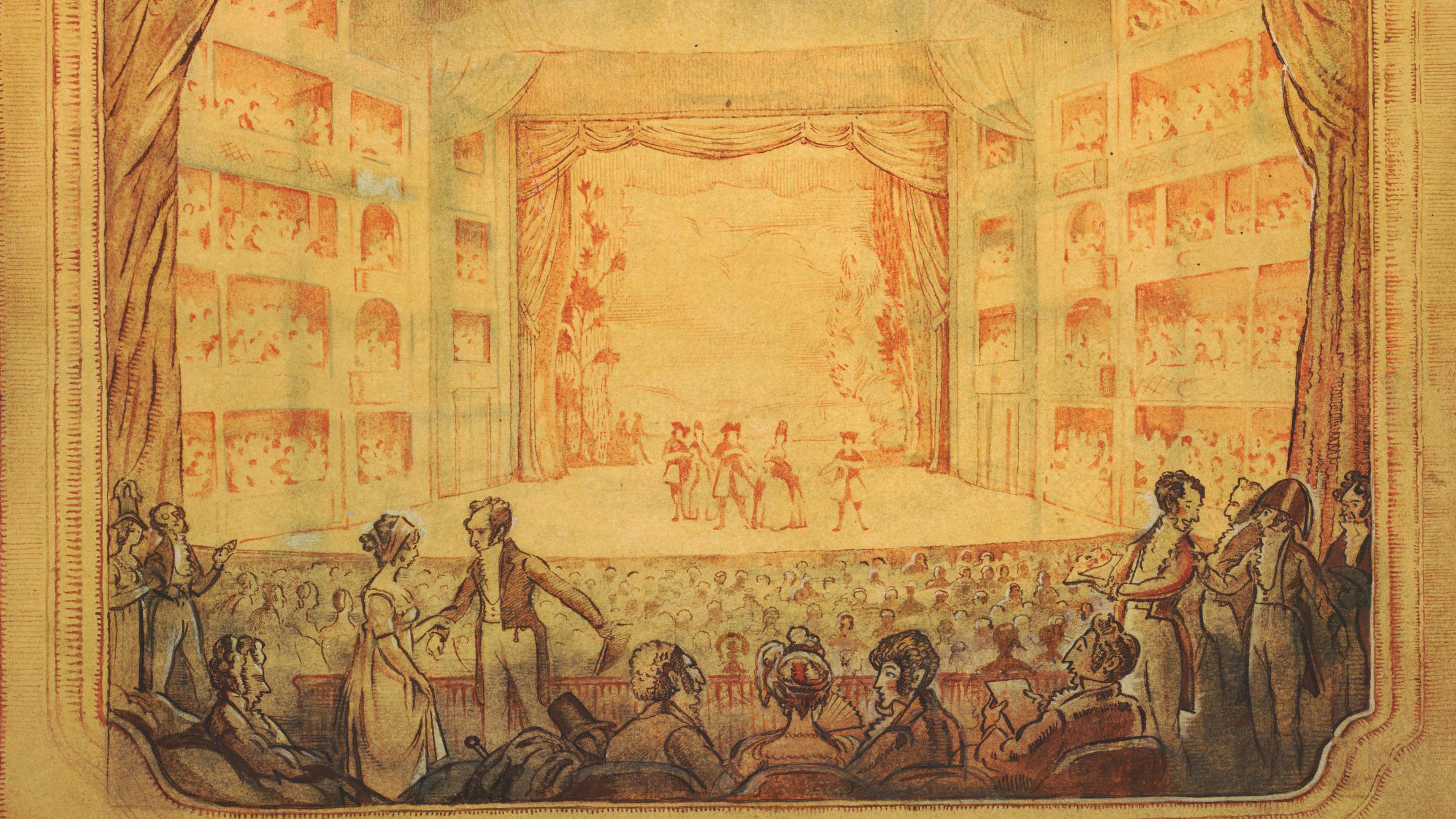
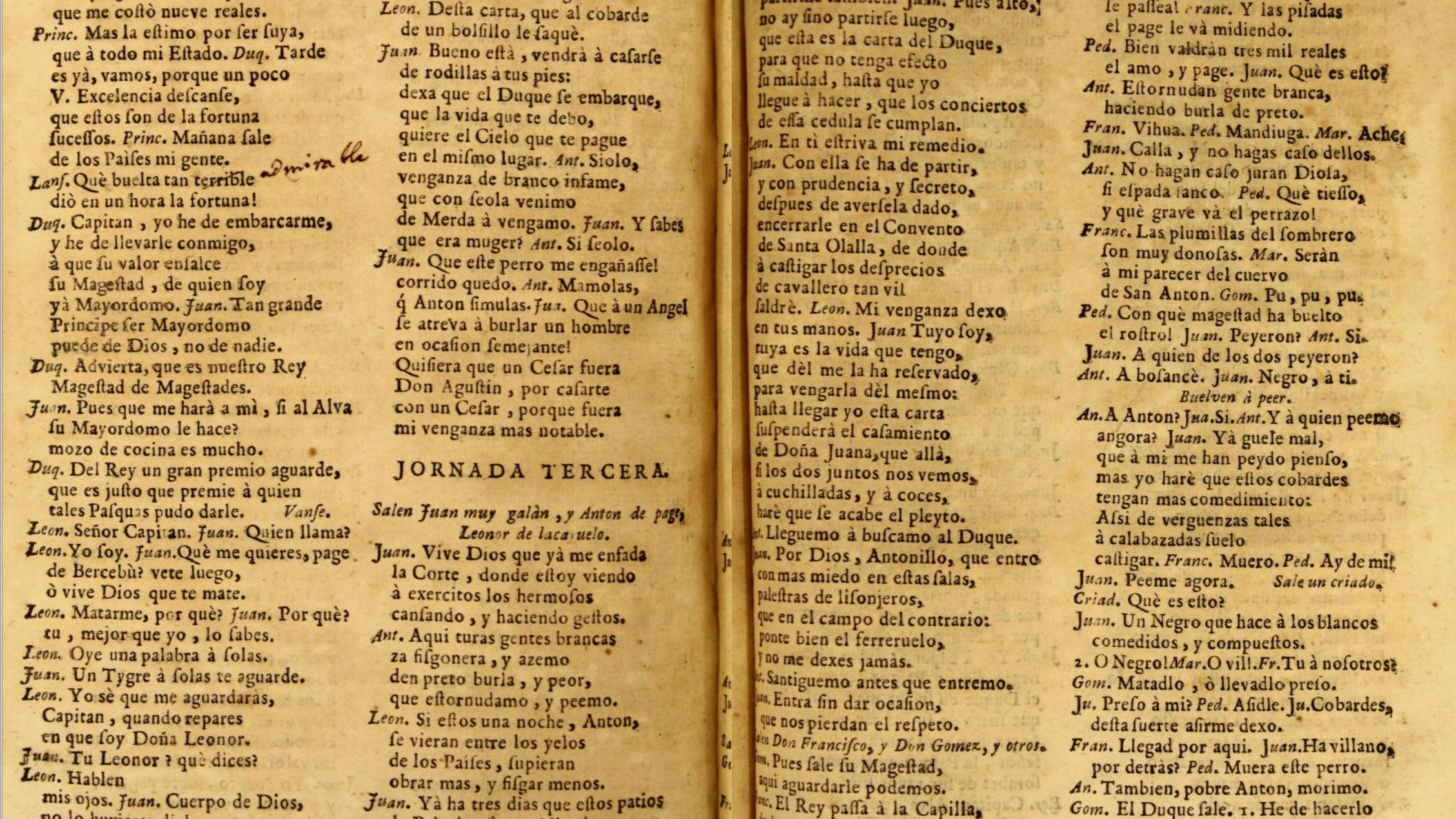
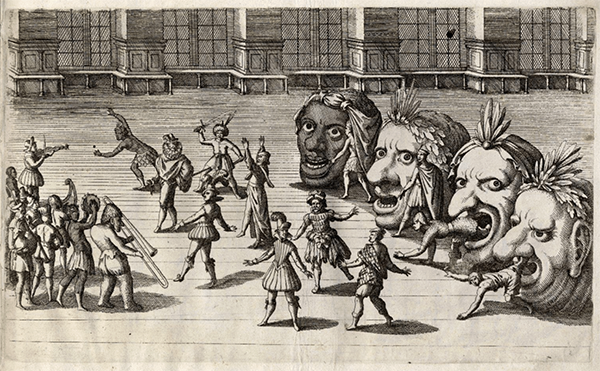
Understanding that theater was the mass media of early modern Europe offers a window into how racial categories, narratives, and performance both sustained and exposed the construction of white supremacy in its early formation.

Further learning

Video

Race and transnational theater

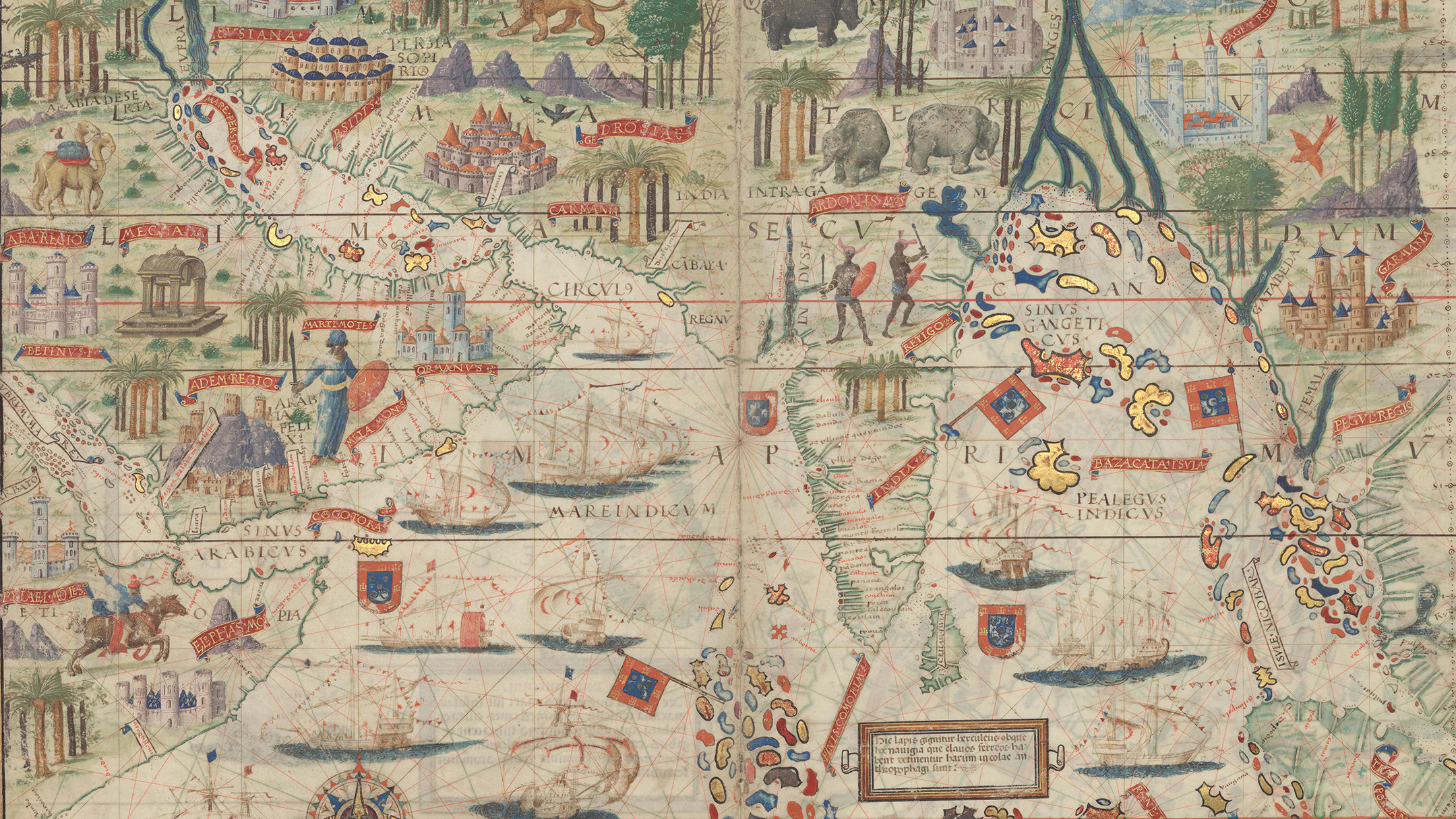
The invention of white supremacy in early modernity was a transnational phenomenon, which means that it can only be fully understood through a transnational approach.

Noémie Ndiaye
Activity

Mini exhibition

This assignment engages students in digital research and curation by having them create and analyze their own mini exhibition.

Noémie Ndiaye
Syllabus

Race in early modern drama

This course asks students to read plays and masques from early modern England, Spain, and France to understand how race was crafted through perfomrace and culture.

Noémie Ndiaye

Recommended

Video

Medieval North and East African art

Medieval African art demands to be understood, not in relation to Europe alone, but as part of a wider Afro-Eurasian world. Andrea Myers Achi discusses the interconnection across medieval North Africa and the Mediterranean and Africa’s cultural exchange and influence on medieval art history.

Andrea Myers Achi
RaceB4Race Highlight

Rethinking race in museum exhibitions

Exhibition curation can function as a pipeline to diversify the field, introducing prospective students to medieval materials and helping them build their CVs, but there needs to be cross-institutional collaboration.

Andrea Myers Achi
Activity

Collaborative student research

A multidisciplinary and student-centered approach for early modern professors, inspired by Geraldine Heng’s Teaching Early Global Literatures and Cultures.

Geraldine Heng