
Akhimie, Patricia. "Editorial influence in Othello." Throughlines. www.throughlines.org/suite-content/editorial-influence-in-othello. [Date accessed].
Editorial influence in Othello
Teaching students how to detect and interpret the editor’s role across different editions of Shakespeare
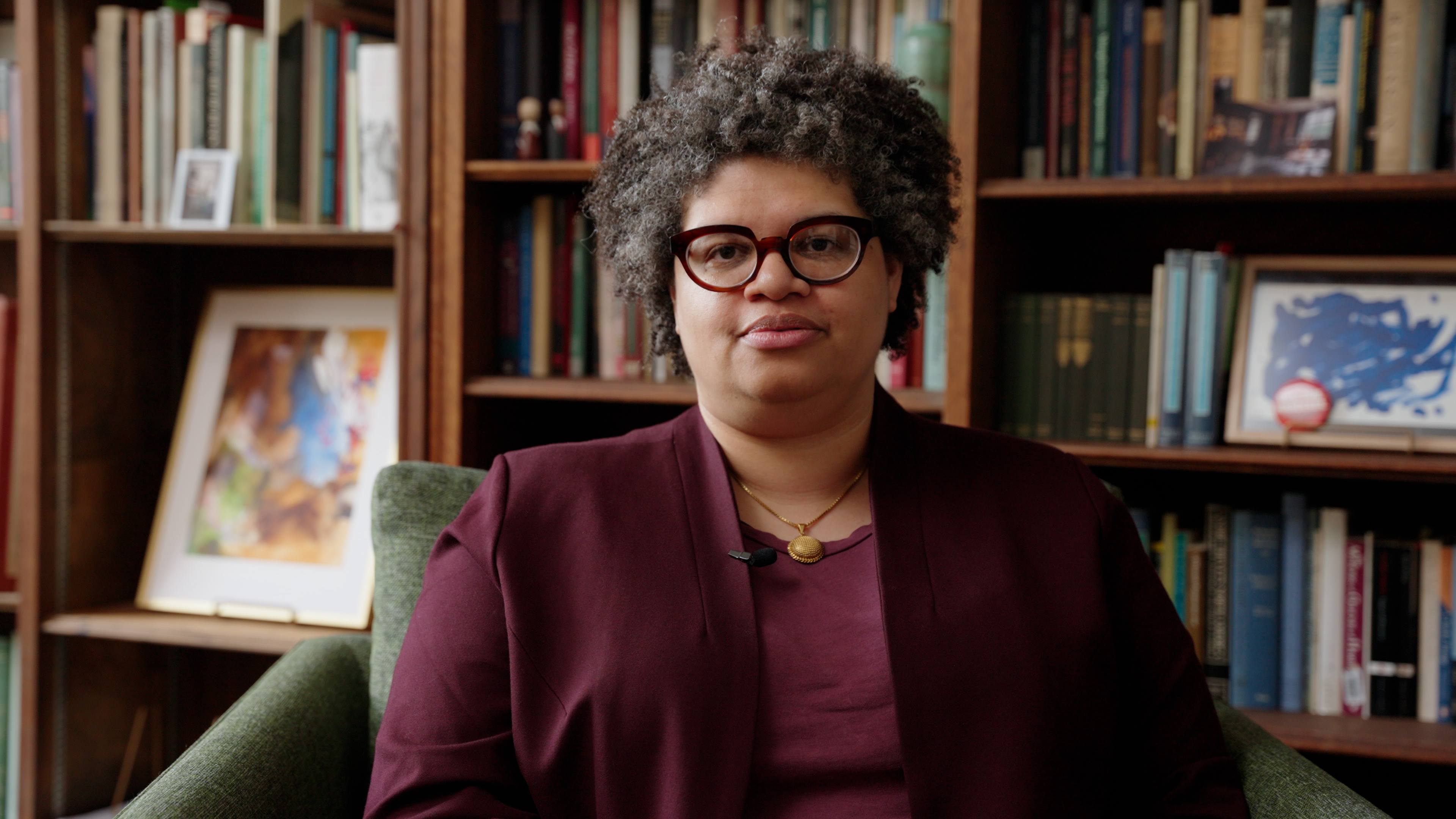
There is no such thing as a neutral edition of Shakespeare. Each edition is interpreted, selected, and published within the context of the editor’s priorities, expectations, and audience. Teaching students the subjectivity with which Shakespeare editions are created helps them see beyond the plays themselves, and into the larger context of Shakespeare studies. Using Othello as a key example of the role of editors, Patrica Akhimie demonstrates how editorial decisions can transform how a play is interpreted.

-PaintingAaronMoor-After%201786.jpg)
-PaintingStudyblack.jpg)

