
Mejia LaPerle, Carol. "Shakespeare's tragedies and the construction of difference." Throughlines. www.throughlines.org/suite-content/shakespeares-tragedies-and-the-construction-of-difference. [Date accessed].
Shakespeare's tragedies and the construction of difference
Three framing questions to analyze early modern racialization
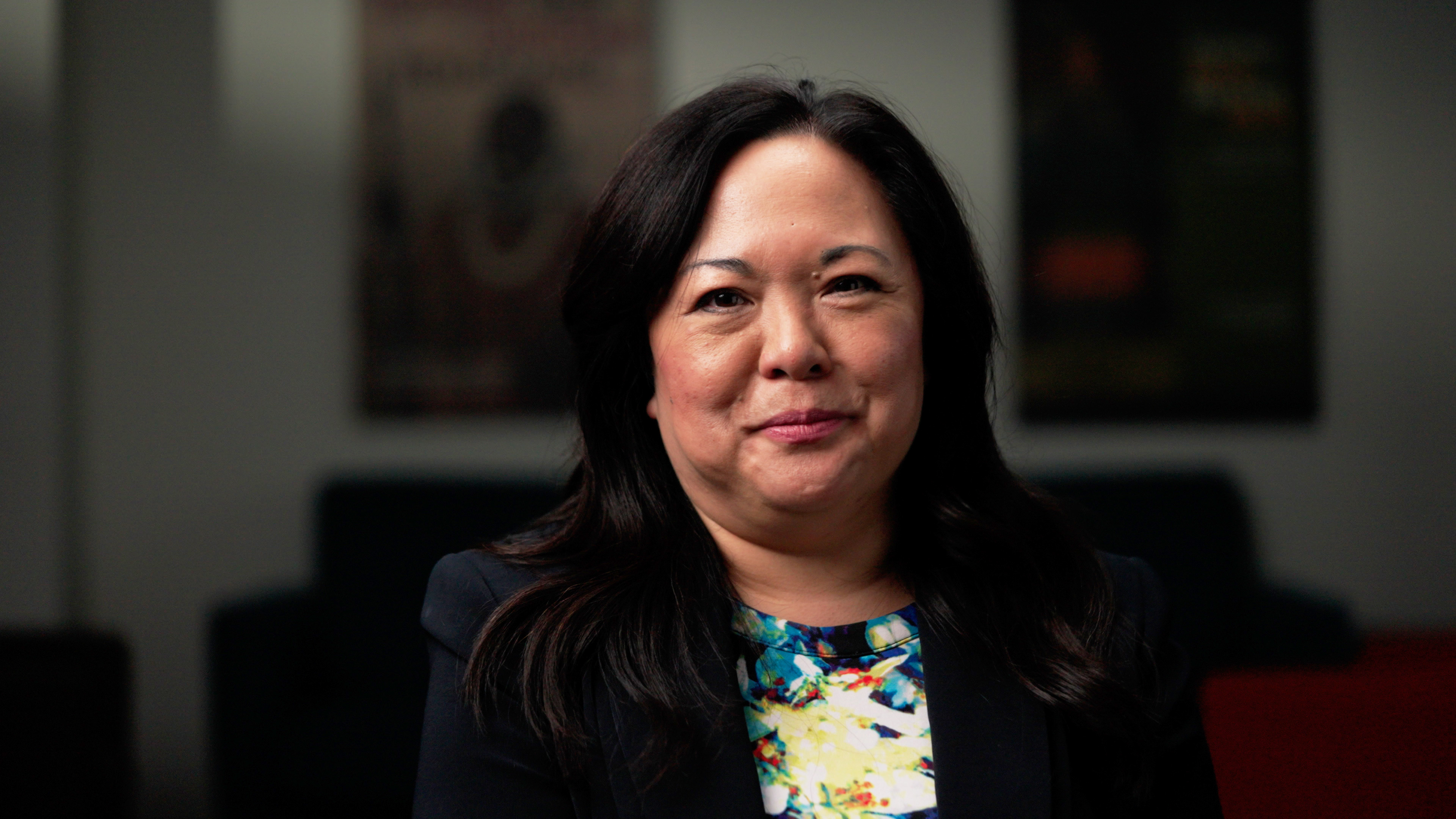
Carol Mejia LaPerle offers three interpretive questions to introduce the ways early modern frameworks scaffold modes of racialization:
- Who is friend and foe?
- Whose power is legitimate?
- Whose suffering matters?
By looking at Shakespeare's tragedies through these questions, students learn how early modern texts embed and develop structures of race and racial difference. These questions do more than reveal how early modern representations of evil, of legitimacy, and of suffering evoke racial difference. They invite us to dismantle the racializing logics that have perpetuated over long periods of time.
Further learning
Recommended

.jpg)

Critical theories and methods
This class investigates and gauges the value of critical theories and methods focused on race, racism, and racial justice. The aim of this course is to engage meaningfully with scholars, cultural productions, and criticism that draw on critical race studies within their artistic and scholarly work.

