
Achi, Andrea Myers. "The Global Turn in Medieval Exhibitions: Diversifying Medieval Studies through Curatorial Practice and Critical Race Art History." Throughlines. www.throughlines.org/suite-content/rethinking-race-in-museum-exhibitions. [Date accessed].
Rethinking race in museum exhibitions
Rethinking museum labels that assume a normative white race.
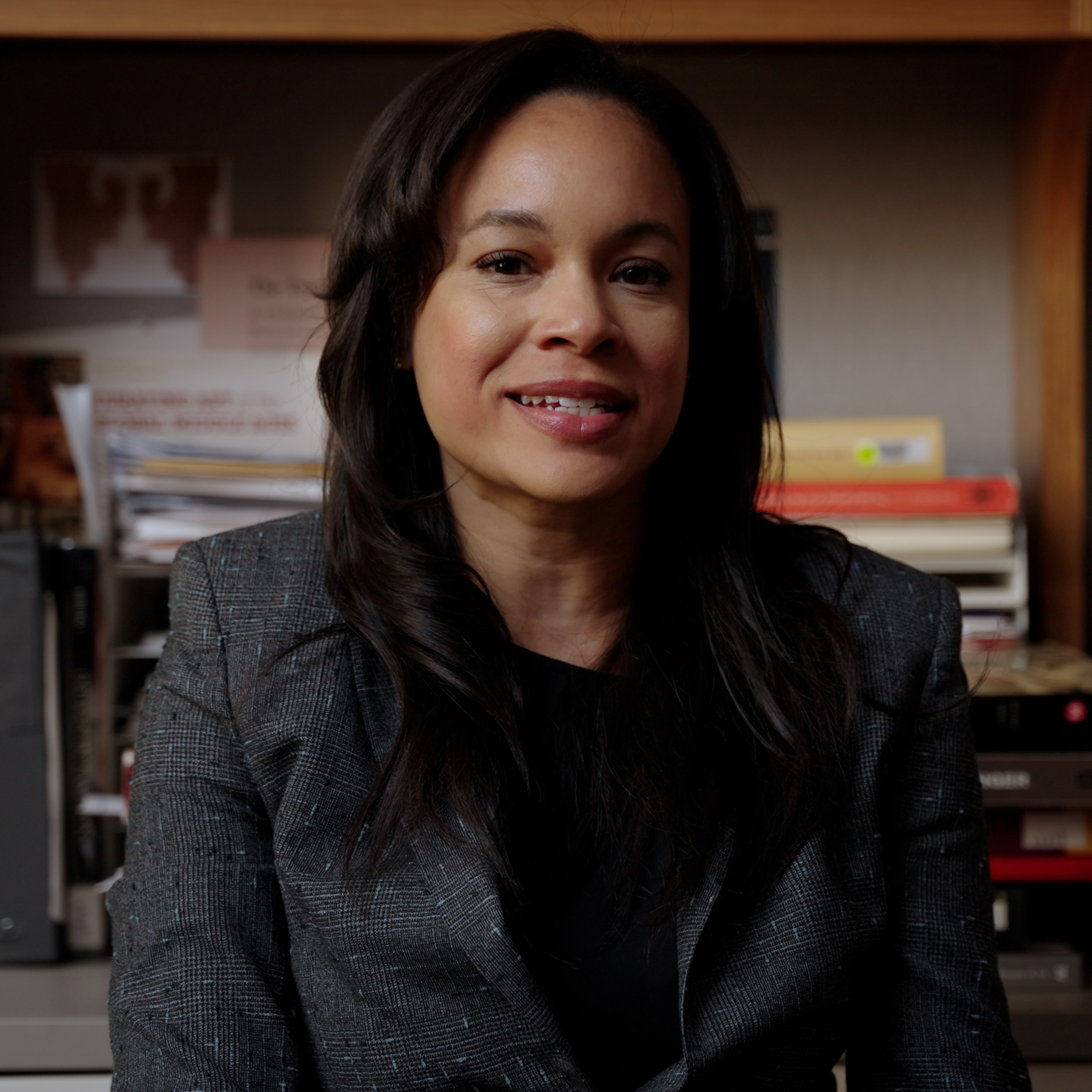
The Global Turn in Medieval Exhibitions: Diversifying Medieval Studies through Curatorial Practice and Critical Race Art History | Watch the full talk
Presented by Andrea Myers Achi at Education: A RaceB4Race Symposium in 2021
Andrea Myers Achi discusses the role of museum exhibitions in introducing audiences to a global medieval world. She argues that exhibitions often offer people their first encounter with the premodern and that multifaceted perspectives on West and North Africa and Western Asia should expand the geographic boundaries of medieval and Byzantine art. Exhibition curation can function as a pipeline to diversify the field, introducing prospective students to medieval materials and helping them build their CVs, but there needs to be cross-institutional collaboration. Within an analysis of two late Roman artifacts depicting Black people exhibited in Western-focused galleries, she discusses the challenges of rethinking museum labels that assume a normative white race.

-IlluminationBookChess-1283%20(1)%20(1).jpg)


